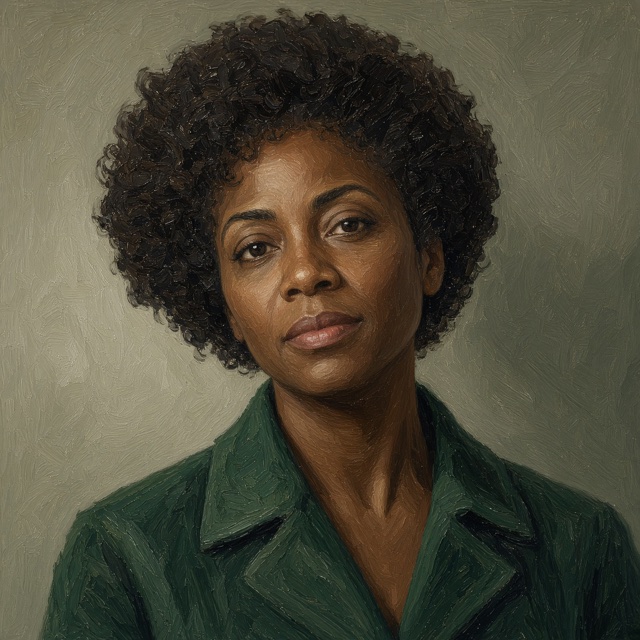

I print the piece and mark it with a red pen like it's 2009 from the back table of a Nairobi cafe that let me stay for hours in 2022, which is where this piece actually started — not with a thesis deck, but with a workshop where nobody could retell the argument in one sentence. I had been circling a simple claim: preserve testimony with dignity. The working title stayed “Oral history projects online” because every prettier option hid the argument.
Why this still matters
What changed is not the internet; it is the reader's patience for history that performs certainty it has not earned. Voice archives with metadata is the frame I use in edits now. Issue 87 of my own notes on this beat kept repeating the same failure: we optimized the wrapper and starved the through-line. When preserve testimony with dignity, people stay. When we fake it, they bounce and tell a friend the site is noisy.
A case that changed the edit
Here is the case I keep on my desk. A team I advised shipped a package adjacent to “Oral history projects online” with twice the assets and half the argument. Completion sat under 18%. We cut the overture, moved the definition up, and named the trade-off in paragraph two. Same photos. Same CMS. Completion more than doubled in three weeks — not because we tricked anyone, but because preserve testimony with dignity.

What I actually do now
Putting it into practice is unromantic. Put a skeptical reader's objection immediately after the lede so you cannot dodge it. Keep one example that a history outsider would accept, not just insiders. Schedule a read-aloud pass; if you cannot hear the turn into “Voice archives with metadata,” rewrite.
The objection I stopped dodging
The honest counter-argument is that cadence and packaging still pay the bills, and that a magazine built only on preserve testimony with dignity might ship too slowly. I have believed that. I also watched a faster calendar hollow out the archive until even loyal readers treated us as a firehose. The compromise I use now: fewer pieces, each one required to change a decision the reader will make this month. If it cannot, it waits.
Key takeaways
- Anchor the piece on one claim: preserve testimony with dignity.
- Use history examples a skeptical outsider would accept.
- Put the objection on the page before you dismantle it.
- Revise until “Voice archives with metadata” is something you can demonstrate, not just assert.
Leave with a rule, not a vibe
I closed the notebook from an overnight ferry where the Wi-Fi died on purpose with a line I still keep above the keyboard: preserve testimony with dignity. “Oral history projects online” is not a slogan for a pitch deck. It is a revision rule. If a paragraph does not serve it, it is decoration. Cut the decoration. Leave the reader with a shifted lens, then get some sleep.